How we test.
We put open-source tools through the jobs they promise to do, record what happens, and explain what the results mean for you.
The three steps

Choose the task
We choose a task that reflects the tool’s purpose, with realistic inputs and a clear way to check the result.

Run the tool
An AI agent tests a specific version on an isolated machine. We exercise the main workflow, then try a different input or a failure case. We keep the commands and outputs.
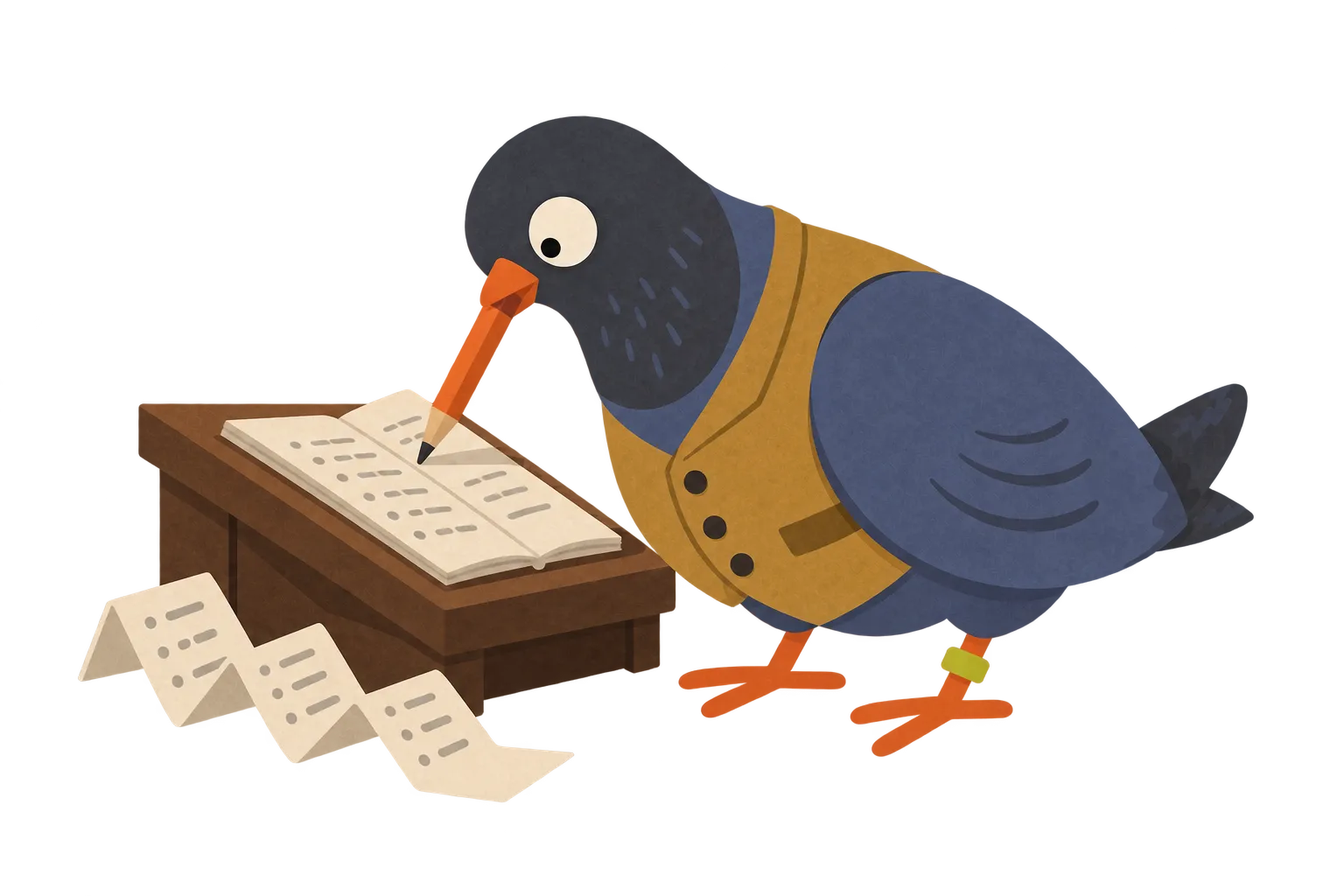
Review the findings
We check the results alongside the project’s documentation, maintenance, and alternatives. An editor reviews the evidence and approves the final article.
Evidence and limits
Each review identifies the version we tested and explains what worked, what failed, and what we couldn’t verify. The findings apply to that version and the tasks we ran.
Reviews include relevant output and screenshots. Where an evidence download is available, it contains the supporting commands, outputs, and logs, with private details removed.
What our verdicts mean
These are recommendations for the use case in each review, not scores.
- Try
- It did the job in our test. Try it for the use case the review describes.
- Adopt
- It works, with a specific cost or limitation to account for first.
- Wait
- The idea is useful, but the tested commit needs more work.
- Avoid
- The tested commit does not deliver the job it advertises.